
What is a “Red Book Valuation”?

Banks, agents, solicitors and accountants will be familiar with red book valuations, but often their clients are not. We thought it would helpful to give an explanation.
Formal valuation reports are always needed for bank security valuations, divorce and litigation and are very often required for capital gains tax, inheritance tax and probate.
These formal valuations are carried out by Registered Valuers who are professional members of the Royal Institution of Chartered Surveyors (RICS). The valuations have to comply with the RICS Valuation Global Standards 2017. Historically these were produced in a large red ring binder known as the “Red Book”. The name has stuck ever since, even though the current standards have not got much red on at all!
A “Red Book” valuation is designed to ensure that high standards of inspection, investigation, analysis, definitions, justification and presentation are met. The end product should therefore be a well considered and robust document that the intended parties can rely upon.
The process of undertaking a red book valuation involves the following:
Confirming instructions and valuation requirements, including caveats, reservations and assumptions with a Terms of Engagement letter. This needs to be signed and included within the valuation report.Ensuring there is no conflict of interestInspection of the propertyFurther research into matters that might affect the property e.g. planning, land designations, contamination, title & tenure, rights of way etc.Gathering, analysing and recording comparablesUndertaking valuation calculationsPulling everything together into a concise report.
The “added value” that Butler Sherborn provides over and above the production of the report is making the time to understand the clients wider situation and valuation requirements as the need for a valuation is usually a part of a wider matter that is important to understand. This often involves working with the clients legal and tax advisors to ensure the best outcome.
If you have any queries or if we can be of any assistance, please contact the Rural Valuation Team on 01285 883740.
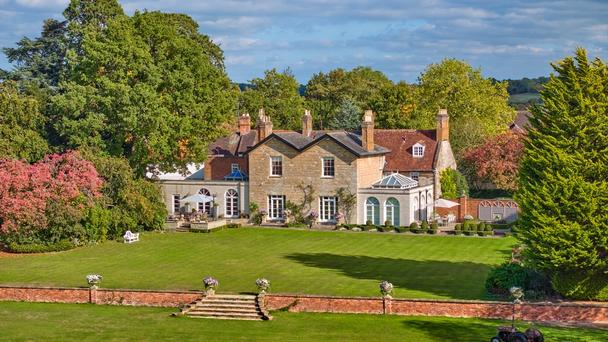
Why Sellers Need To Be Prepared To Sell
January and February are traditionally a time of assessment in the Cotswolds property market. Conversations begin in earnest with market appraisals requested and plans discussed. With spring now underway, the outlook feels more defined, helping confidence to build as the market moves forward. We have been particularly busy with market appraisals in recent weeks; it seems many are firmly in the mindset to move this year and are making a good start by getting ahead with their preparation.
Why Sellers Need To Be Prepared To Sell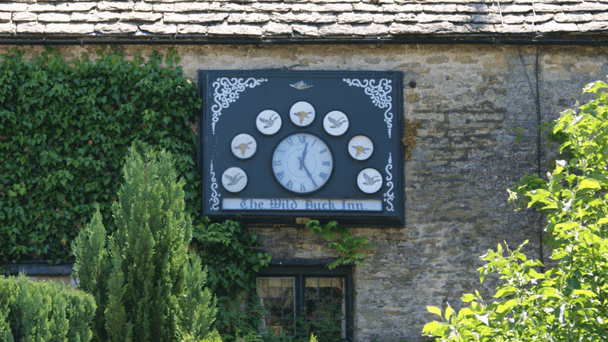
Popular Local Establishment Re-opens – Hurrah!
Nestled in the picturesque village of Ewen, just a stone’s throw from Cirencester, this delightful 16th-century pub has long been a much-loved local landmark. Now, after a careful and considered restoration, The Wild Duck has officially reopened its doors and wow what a return it was!
Popular Local Establishment Re-opens – Hurrah!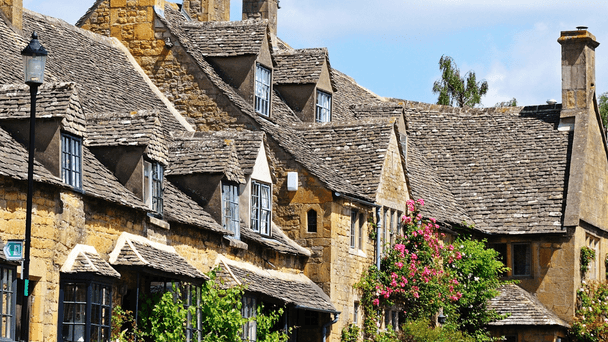
Why the Cotswolds Remains One of the Strongest Property Markets in the UK
Few regions in the UK combine lifestyle appeal, long-term value and consistent demand quite like the Cotswolds. Despite periods of national market uncertainty, the Cotswolds continues to stand out as one of the country’s most resilient and desirable property markets, attracting homeowners, investors, and international buyers alike. So, what underpins this enduring strength?
Why the Cotswolds Remains One of the Strongest Property Markets in the UK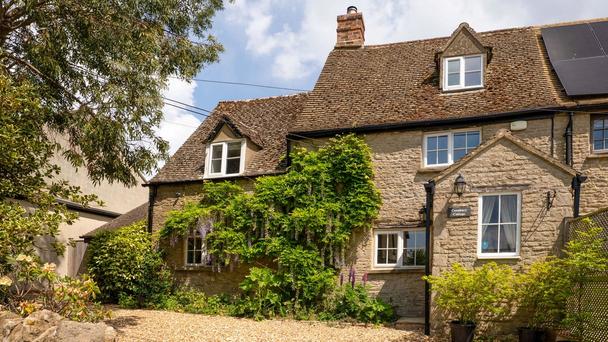
A Personal Approach to Property: Client Experiences with Butler Sherborn
At Butler Sherborn, client experience sits at the heart of everything we do. Across sales and lettings, our teams pride themselves on professionalism, local knowledge and a truly personal approach. The following recent reviews from 2026 highlight just a few of the outstanding experiences our clients have shared.
A Personal Approach to Property: Client Experiences with Butler Sherborn