
Getting some Breathing Space - Debt Respite Scheme

Legislation has recently been passed, which comes into effect from 4th May 2021. The Debt Respite Scheme, also known as Breathing Space, has been introduced to help those in debt, including tenants in rent arrears.
The scheme allows for a person’s debt and any enforcement action against that debt, to be frozen for a maximum of 60 days (unless a Mental Health Crisis Breathing Space has been obtained – see below), allowing the tenant to find a solution to their financial problems, without being pressed by creditors or landlords.
The Forms of Breathing Space
There are two forms of Breathing Space, Standard Breathing Space and Mental Health Crisis Breathing Space. Both work in a similar way, however Standard Breathing Space can last up to 60 days, but the Mental Health Crisis Breathing Space ends 30 days after a tenant’s treatment ends.
What happens in Breathing Space
Once a tenant has entered into and been accepted for breathing space, creditors, including landlord’s, cannot apply for a warrant, serve a Section 8 Notice for rent arrears or receive a possession order. Landlords are also not allowed to contact a tenant to demand payment of the debt, during this time. That said, a landlord can contact a tenant about any other matter regarding the tenants, not related to the debt, or if the tenant requests a discussion to find a debt solution.
Certain debts are considered ‘ongoing liabilities’ during a standard breathing space, and these need to continue to be paid where possible. These include rent due during the breathing space, but not rental arrears that have been accrued up to the start of the breathing space.
How do Tenants Qualify for the Scheme
To apply for the Debt Respite Scheme applicants should contact their local authority debt advisors or an FCA approved debt advisor, who will assess a person’s eligibility. A tenant cannot have a current Debt Relief Order, an involuntary arrangement, or be bankrupt at the time of application.
By the end of the Breathing Space a debt solution or arrangement must have been entered into.
More information about the scheme is available from Local Councils, The Citizens Advice Bureau, www.fca.org.uk or www.gov.co.uk

An Exhilarating Month of Racing in the Cotswolds
Get ready for an incredible month of racing in the Cotswolds, headlined by the much-anticipated Cheltenham Festival this week, the premier event in the British jumps racing calendar.
An Exhilarating Month of Racing in the Cotswolds
Why Sellers Need To Be Prepared To Sell
January and February are traditionally a time of assessment in the Cotswolds property market. Conversations begin in earnest with market appraisals requested and plans discussed. With spring now underway, the outlook feels more defined, helping confidence to build as the market moves forward. We have been particularly busy with market appraisals in recent weeks; it seems many are firmly in the mindset to move this year and are making a good start by getting ahead with their preparation.
Why Sellers Need To Be Prepared To Sell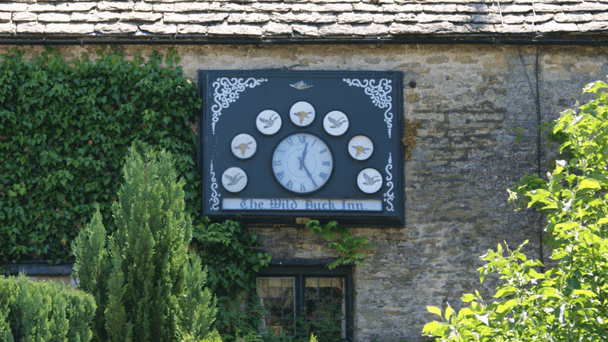
Popular Local Establishment Re-opens – Hurrah!
Nestled in the picturesque village of Ewen, just a stone’s throw from Cirencester, this delightful 16th-century pub has long been a much-loved local landmark. Now, after a careful and considered restoration, The Wild Duck has officially reopened its doors and wow what a return it was!
Popular Local Establishment Re-opens – Hurrah!
Why the Cotswolds Remains One of the Strongest Property Markets in the UK
Few regions in the UK combine lifestyle appeal, long-term value and consistent demand quite like the Cotswolds. Despite periods of national market uncertainty, the Cotswolds continues to stand out as one of the country’s most resilient and desirable property markets, attracting homeowners, investors, and international buyers alike. So, what underpins this enduring strength?
Why the Cotswolds Remains One of the Strongest Property Markets in the UK