
The Chancellor's Autumn Financial Statement - The Residential Property Market

The Chancellor’s Financial Statement was designed to steady the financial markets and restore confidence in the UK economy, at home and abroad. It is early, but initial market reaction tends to suggest that he has at least succeeded to an extent.
Jeremy Hunt has stated that he plans to keep mortgage rates down, and ensure that they become significantly lower. This is obviously an attempt to ensure continued movement in the residential property market, encouraging transactions together with all the benefits that filter therefrom across the economy as a whole.
In a further effort to stimulate the property market, he has retained the Stamp Duty cuts announced by his predecessor, and further confirmed that they will remain in place until the end of March 2025. They will then cease, but be kept under review. No Stamp Duty is to be paid on the first £250,000 of a property’s value – double the previous amount allowed. The threshold for first-time buyers was also increased from £300,000 to £425,000.
The Chancellor said, ‘This will create incentives to support the housing market by boosting transactions.’
In a budget designed to try to alleviate the economic pressures on the less wealthy, The Chancellor has been forced to increase the tax burden on the more well off.
He has therefore increased the Council Tax Band payments on properties rated Band D and below.
The cap on the level of council tax rises can now be increased to 3%, up from the current 2.99%. However, this is a smaller increase then the anticipated 5% previously predicated.
Capital Gains Tax exemption amounts will be reduced from £12,300 to £3,000 by April 2024
Top rate taxpayers will face higher bills after the threshold for the 45p rate has been lowered from £150,000 to £125,000.
The Chancellor is obviously hoping that his commitment to fiscal responsibility, the independence of the Bank of England, his full involvement of the Office for Budget Responsibility together with his clear support of the residential property market will restore stability in the markets. The initial response gives cause for cautious optimism in the residential property market.

Popular local Café Roots + Seeds Expands with New Far Peak, Northleach Location
The acclaimed café restaurant with sister dining hubs at the Old Kennels in Cirencester and Gloucester Food Dock, is opening its third dining hub at Far Peak near Northleach this Friday (27th March).
Popular local Café Roots + Seeds Expands with New Far Peak, Northleach Location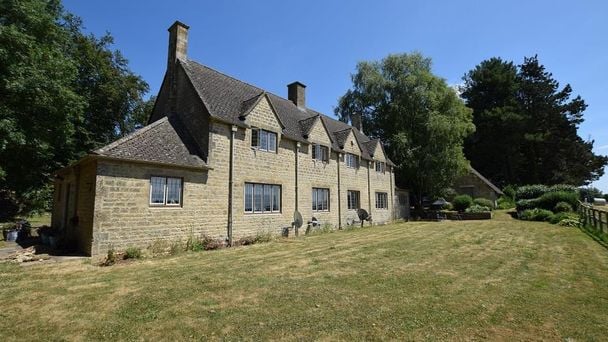
The Renters Rights Act 2025 – 6 weeks to go.
With the implementation of the Renters’ Rights Act 2025 now only 6 weeks away – Friday 1st May 2026, the government have been dotting the i’s and crossing t’s with the paperwork that landlords or their managing agents must provide to existing tenants and all new tenants in the future.
The Renters Rights Act 2025 – 6 weeks to go
An Exhilarating Month of Racing in the Cotswolds
Get ready for an incredible month of racing in the Cotswolds, headlined by the much-anticipated Cheltenham Festival this week, the premier event in the British jumps racing calendar.
An Exhilarating Month of Racing in the Cotswolds
Championing Women At Butler Sherborn
Hear from Partner, Elizabeth D'Allemagne, as she reflects on how the landscape of estate agency has transformed over her 20-year career in the residential property industry. She also celebrates how fortunate we are at Butler Sherborn to work alongside an extraordinary group of talented women who continue to shape and strengthen our business.
Championing Women At Butler Sherborn