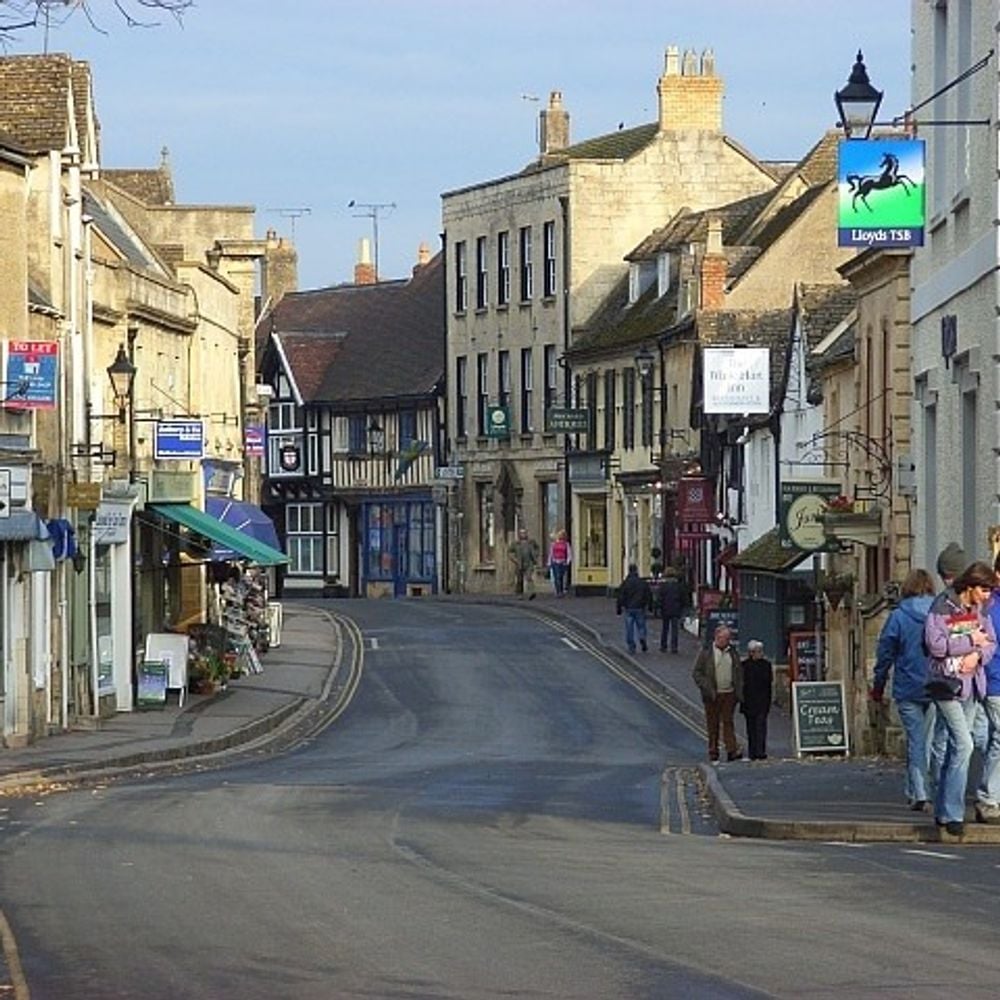
A History of Winchcombe

The ancient Anglo Saxon town of Winchcombe is situated in a beautiful Cotswold valley mid-way between Broadway and Cheltenham (approx each 15 minutes away by car). It stands on the river Isborne and is referenced in the Domesday Book as Wincelcombe.
It is much like a hundred other similar small market towns with its warm Cotswold stone architecture and feel of timelessness. The name means 'valley with a bend', and today Winchcombe still retains streets which curve gracefully along the 'combe'. The inns, restaurants, tea rooms, and shops set among Winchcombe's three main streets are full of the character of times past. One of the wonders of Winchcombe has to be its eclectic mix of unique retail outlets, ranging from antiques shops and centres (including an auction house), to interiors and gift shops, art galleries, fashion, hair and beauty salons, a wide range of tea rooms, pubs, cafes and restaurants and a delightful sprinkling of quirky vintage shops.There’s even a steam railway – the immaculate station is located to the North of the town.
Similar to so many Cotswold market towns the history of the town has been very dependent on crops. Interestingly here, the key one was for a brief period tobacco; in 1619 a London merchant, John Stratford, purchased spare land in and around Winchcombe and planted tobacco having spied an opportunity in the market for the new fad. It didn’t last long however - later that year the British government passed an Act banning Tobacco growing in England, just as Mr Stratford’s first crop in Winchcombe was ready to harvest. Following this, much of the land on the Cotswolds was turned to growing flax but in fact tobacco growing (including the slightly hallucinogenic Worcestershire version) continued on until late in the 17th century. In Winchcombe the parish’s tithe barn was used to dry the leaves, and houses in North Street to store the cured tobacco. As a final postscript, the land to the south of Winchcombe, where the district hospital once stood, was once known as Tobacco Piece. There is also Tobacco Close, on the way into the town from Cheltenham.
Onto matters more spiritual; the renowned St. Peters church has an altar frontal said to have been worked by Catherine of Aragon, and is guarded by forty of the country's finest grotesque gargoyles. The church has an unusually fine weather cock measuring nearly 6 feet from beak to tail. Originally at the Church of St. Mary, Redcliffe in Bristol, it came to Winchcombe in 1872. Not only this - in addition one of the gargoyles is reputed to be the inspiration for The Mad Hatter from Alice In Wonderland; Lewis Carroll is known to have spent some time in the town and surrounding area.
Nearby is St Kenelm's Well, commemorating a 9th-century martyr. The story goes that the boy king Kenelm was murdered by his sister. When the men bearing the body stopped here to rest, they set down Kenelm's coffin and a spring gushed forth from the ground. The waters of Kenelm's Well are reputed to have healing properties.
The surrounding area to the town itself is equally fascinating. Just a mile from Winchcombe are the ruins of Hailes Abbey. At one time Hailes was one of the most popular pilgrimage centres in Britain, as the abbey claimed to possess a phial of Christ's blood. After the Dissolution of the Monasteries destroyed the Abbey, the "blood" was revealed to be a mixture of saffron and honey. So popular was the abbey to medieval pilgrims that the Prior of Hailes built a hotel to house the richer visitors. This hotel lives on as The George Hotel. The building itself has been altered several times, but still retains an open gallery over the courtyard. Today, the abbey is a peaceful sight, with ruined arches lying in a quiet meadow.
It’s fair to say that most visitors to the area come to Winchcombe to visit Sudeley Castle. Looking down on the town, the castle was the final home of Queen Catherine Parr after the death of Henry VIII. Following her marriage to Sir Thomas Seymour a few weeks after Henry's death, Seymour then made advances towards princess Elizabeth, later Queen Elizabeth I. The pregnant Catherine fled to Sudeley, where she soon after gave birth to a baby girl, before sadly dying a few days later. She is buried in the chapel, and the castle has displays of objects associated with her including the letter she wrote accepting Thomas Seymour's marriage proposal.
Finally, just a short walk along the Cotswold Way from Winchcombe brings you to one of the finest Neolithic remains in Britain, Belas Knap burial chamber. Belas Knap was built about 3000 BC as a many-chambered tomb. When the site was excavated in 1863, 38 skeletons were found. Remains from the excavation are on display at the church museum in Winchcombe, along with several other artefacts from the surrounding area.
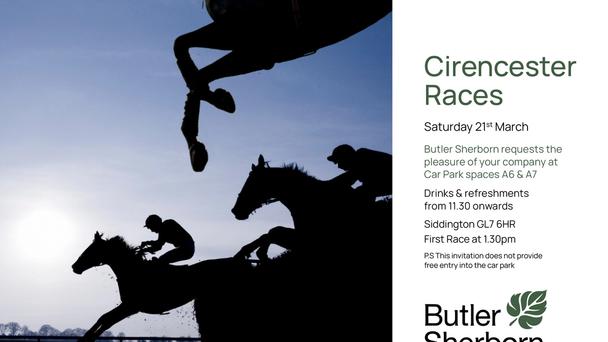
An Exhilarating Month of Racing in the Cotswolds
Get ready for an incredible month of racing in the Cotswolds, headlined by the much-anticipated Cheltenham Festival this week, the premier event in the British jumps racing calendar.
An Exhilarating Month of Racing in the Cotswolds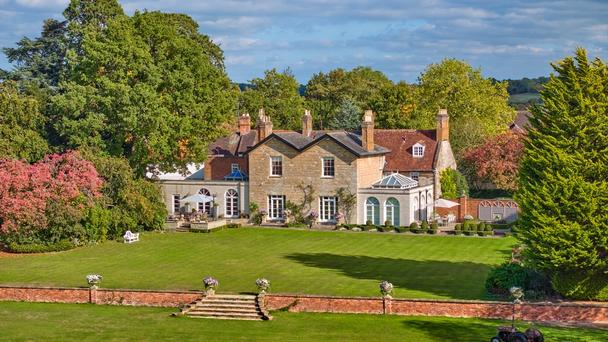
Why Sellers Need To Be Prepared To Sell
January and February are traditionally a time of assessment in the Cotswolds property market. Conversations begin in earnest with market appraisals requested and plans discussed. With spring now underway, the outlook feels more defined, helping confidence to build as the market moves forward. We have been particularly busy with market appraisals in recent weeks; it seems many are firmly in the mindset to move this year and are making a good start by getting ahead with their preparation.
Why Sellers Need To Be Prepared To Sell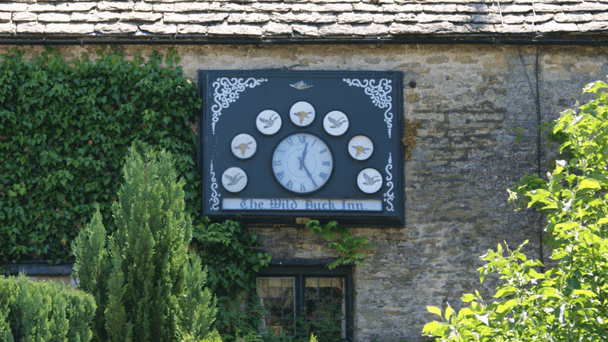
Popular Local Establishment Re-opens – Hurrah!
Nestled in the picturesque village of Ewen, just a stone’s throw from Cirencester, this delightful 16th-century pub has long been a much-loved local landmark. Now, after a careful and considered restoration, The Wild Duck has officially reopened its doors and wow what a return it was!
Popular Local Establishment Re-opens – Hurrah!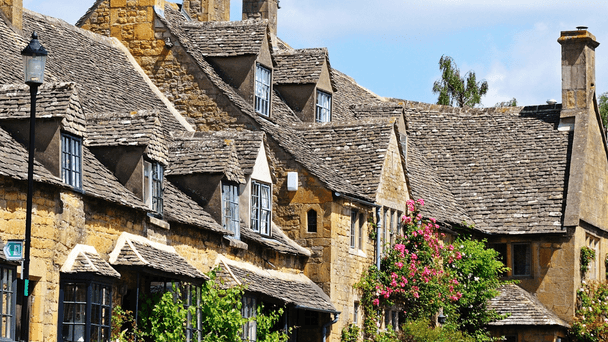
Why the Cotswolds Remains One of the Strongest Property Markets in the UK
Few regions in the UK combine lifestyle appeal, long-term value and consistent demand quite like the Cotswolds. Despite periods of national market uncertainty, the Cotswolds continues to stand out as one of the country’s most resilient and desirable property markets, attracting homeowners, investors, and international buyers alike. So, what underpins this enduring strength?
Why the Cotswolds Remains One of the Strongest Property Markets in the UK