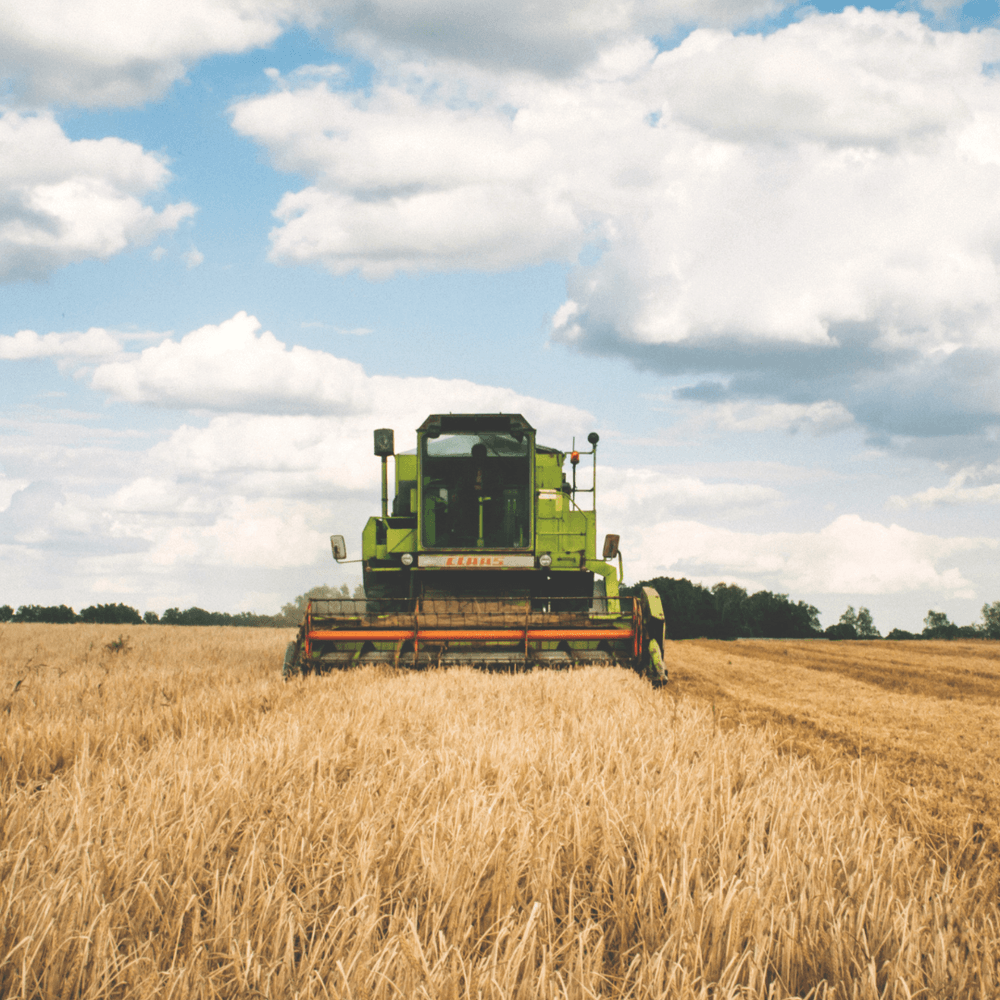
Inheritance Tax and Agricultural Property Relief


Consultant - Rural & Professional
Keep up to date with the latest properties, rural business insights, market commentary and events:
Join mailing listThis has been a hot topic since the surprise announcements in the Autumn budget of 2024 and has threatened to turn upside down tax planning for farmers and the affordability of succession. The short article below captures the key facts and implications which have been debated from farmhouse kitchen tables up to the Government in Westminster and at every level in between…
What Are IHT and APR?
Inheritance Tax (IHT) is charged at 40% on the value of a deceased person’s estate above the £325,000 nil-rate band. In certain circumstances, an additional residence nil-rate band of up to £175,000 may apply. Transfers between spouses or civil partners are generally exempt from IHT.
Agricultural Property Relief (APR) allows qualifying agricultural assets including farmland, farm buildings and, in some cases, farmhouses to receive up to 100% relief from IHT, provided specific ownership and occupation conditions are met. Prior to 2024, APR (often used alongside Business Property Relief, or BPR) was uncapped, meaning farms and rural estates could often be passed on with little or no IHT liability.
For many traditional family farms, this effectively meant that the most common form of tax planning was to do nothing and allow assets to pass on death, often free of IHT, to the next generation.
Why Was the Autumn Budget 2024 Such a Turning Point?
In the Autumn Budget 2024, the government announced that from April 2026, 100% APR and BPR would be capped at £1 million per individual. Any qualifying assets above this threshold would receive only 50% relief, resulting in an effective IHT charge of 20% on the excess value.
This immediately caused widespread concern across the farming community. A £1 million cap is very low in the context of modern farming, equating to little more than 100 acres of bare land, before taking account of buildings, dwellings, livestock or machinery. To remain commercially viable, most farms are significantly larger.
For example, a relatively modest Cotswolds farm might have a capital value of £6 million above the nil-rate band once land, property, stock and machinery are included. Under the previous rules, assuming APR and BPR applied, no IHT would have been payable. Under the original proposals, however, the IHT bill could have been as high as £1 million.
While payment could be spread over ten years, interest would accrue, and the reality for many farms (which are often asset-rich but income-poor) is that such liabilities would be unaffordable. The likely consequences included forced land sales, compromised farm viability, and a strong deterrent to succession by the next generation.
Younger farmers had the option of making Potentially Exempt Transfers (PETs), with assets falling outside the estate after seven years. However, this was not a realistic solution for many older farmers who were unlikely to survive the seven-year period.
What Has Recently Changed?
Following sustained pressure from the farming community and organisations such as the CLA and NFU, the government announced important revisions just before Christmas.
Most significantly, the cap for 100% APR and BPR was increased to £2.5 million per individual. Crucially, this allowance was made transferable between spouses and civil partners. As a result, a married couple could potentially shelter up to £5 million of qualifying farm and business assets from IHT.
Returning to the earlier example, a farm worth £6 million above the nil-rate band might now face an IHT liability of around £200,000, rather than £1 million under the original proposals.
These changes substantially reduced the number of estates expected to face additional tax compared with initial forecasts. However, the principle of a cap remains, signalling a long-term shift away from unlimited relief.
What Does This Mean from April 2026?
From April 2026, the impact will vary depending on the size and structure of each farm. Many small and medium-sized family farms are unlikely to see significant changes, particularly where qualifying assets fall within the £2.5 million per-person threshold.
Larger farms, however, will continue to face increased IHT exposure. Land values have risen significantly over recent decades, and even relatively modest acreages can exceed the new limits. Where asset values exceed the threshold, the resulting 20% effective tax charge may create serious cashflow pressures.
There is also concern that the changes may deter investors from buying farmland to rent out, potentially reducing the availability of land for farming and increasing pressure for alternative land uses.
For those farmers still affected, the risks of land sales, borrowing, or restructuring to meet tax liabilities remain. As a result, succession planning will become increasingly important. Lifetime gifting, partnership structures, trusts and early retirement planning are all likely to play a greater role in future tax strategies.
For farmers looking beyond April 2026, the message is clear: early and proactive planning is essential. Professional advice will be key to navigating the new rules, protecting family businesses and ensuring farms can continue to be passed on intact to future generations.
Butler Sherborn are specialists in the valuation of land, farms and estates across the Cotswolds and can work closely with your tax advisers to support effective succession planning.
Contact: 01285 883 740 OR email cirencester@butlersherborn.co.uk

An Exhilarating Month of Racing in the Cotswolds
Get ready for an incredible month of racing in the Cotswolds, headlined by the much-anticipated Cheltenham Festival this week, the premier event in the British jumps racing calendar.
An Exhilarating Month of Racing in the Cotswolds
Why Sellers Need To Be Prepared To Sell
January and February are traditionally a time of assessment in the Cotswolds property market. Conversations begin in earnest with market appraisals requested and plans discussed. With spring now underway, the outlook feels more defined, helping confidence to build as the market moves forward. We have been particularly busy with market appraisals in recent weeks; it seems many are firmly in the mindset to move this year and are making a good start by getting ahead with their preparation.
Why Sellers Need To Be Prepared To Sell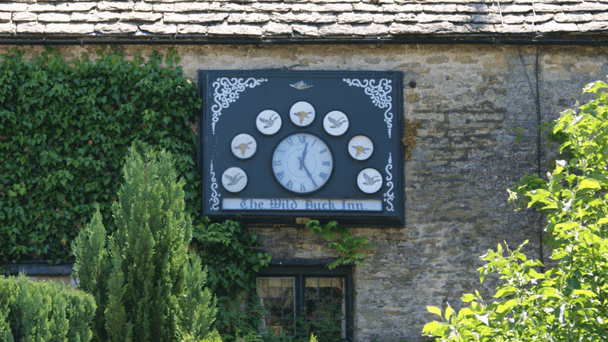
Popular Local Establishment Re-opens – Hurrah!
Nestled in the picturesque village of Ewen, just a stone’s throw from Cirencester, this delightful 16th-century pub has long been a much-loved local landmark. Now, after a careful and considered restoration, The Wild Duck has officially reopened its doors and wow what a return it was!
Popular Local Establishment Re-opens – Hurrah!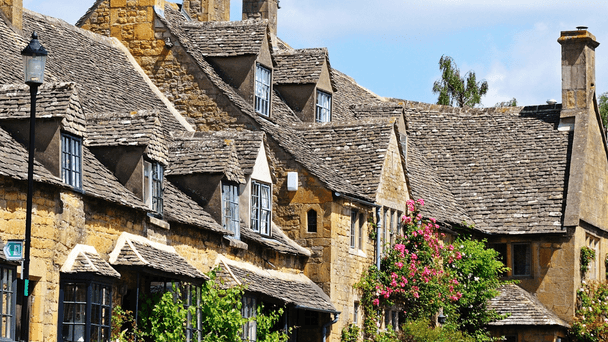
Why the Cotswolds Remains One of the Strongest Property Markets in the UK
Few regions in the UK combine lifestyle appeal, long-term value and consistent demand quite like the Cotswolds. Despite periods of national market uncertainty, the Cotswolds continues to stand out as one of the country’s most resilient and desirable property markets, attracting homeowners, investors, and international buyers alike. So, what underpins this enduring strength?
Why the Cotswolds Remains One of the Strongest Property Markets in the UK